
Skin checks for Victoria Point and surrounding suburbs

AI-driven total body skin mapping

A doctor-led skin cancer check, with every spot on your body photographed, tracked and compared over time by the FotoFinder ATBM master.

  • Head-to-toe imaging with the FotoFinder ATBM master
  • Built-in AI that supports your GP’s clinical judgement
  • New and changed spots flagged at every follow-up
  • GPs with a special interest in skin cancer
  • No referral needed, book online in minutes
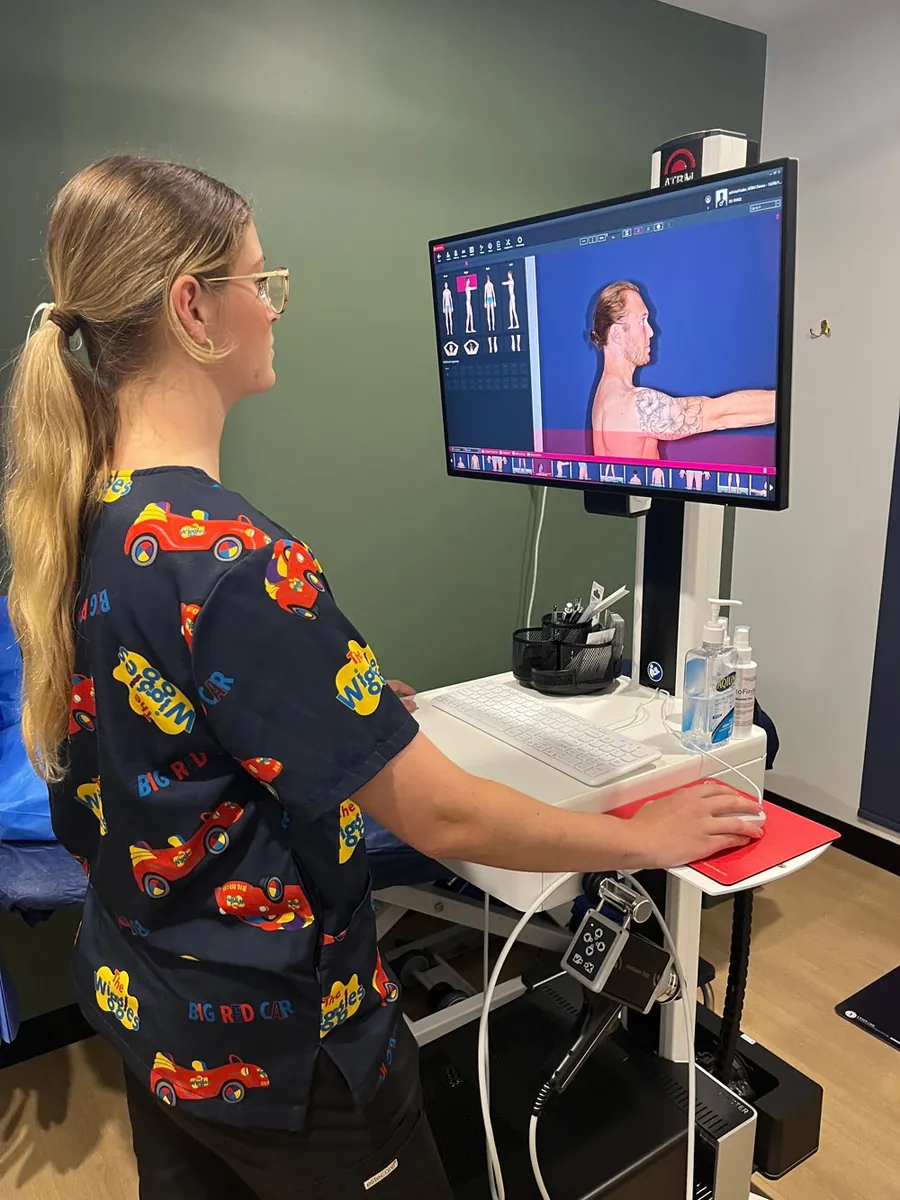
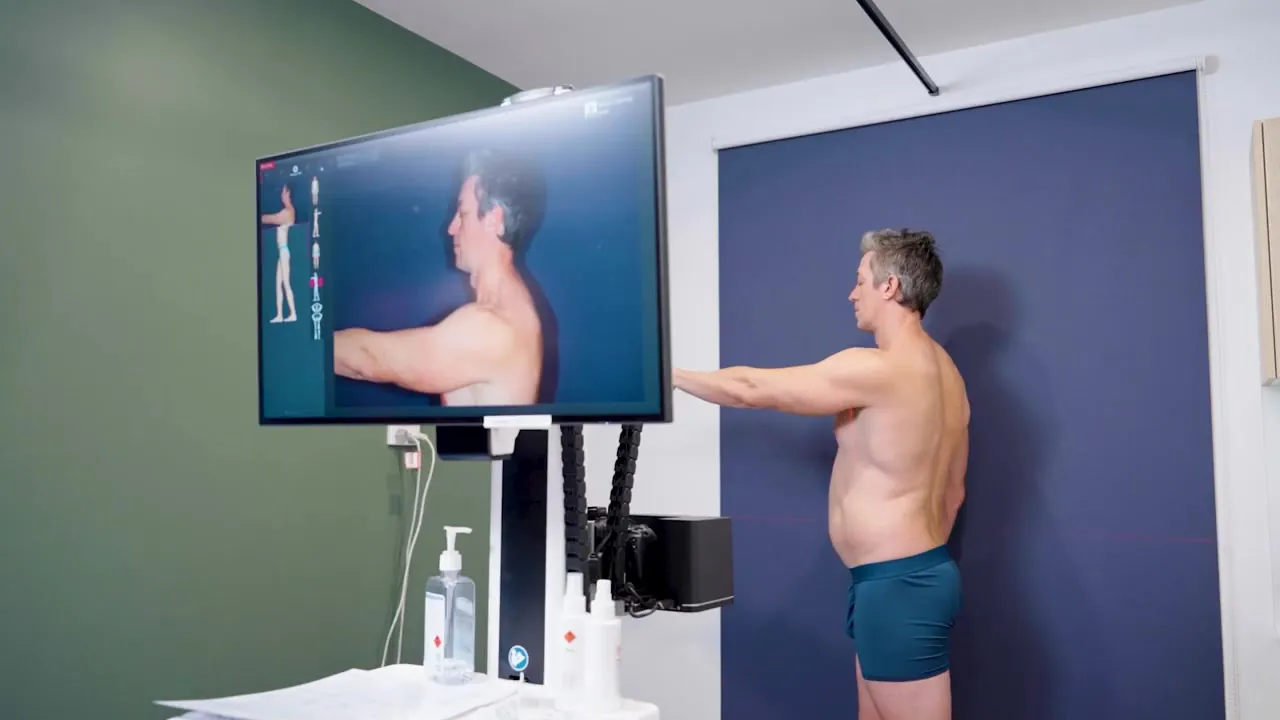
A patient standing in front of the FotoFinder ATBM master at Sunstate while his full-body images appear on screen
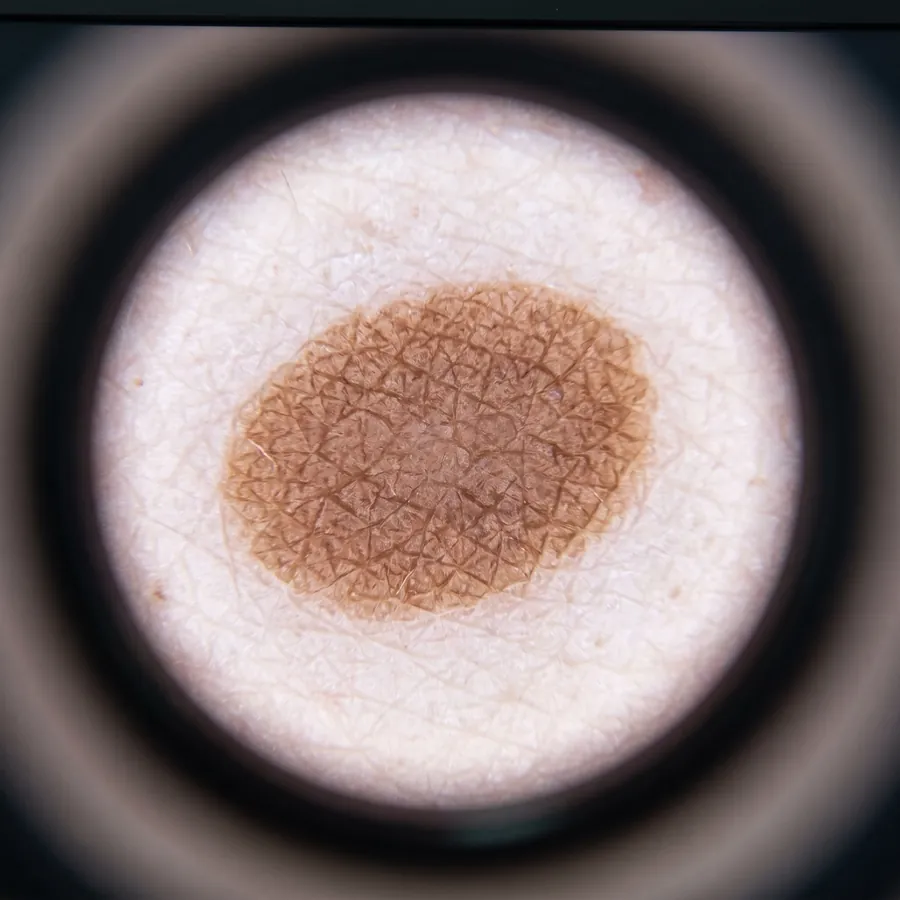
A dermoscopic close-up of a mole showing its pigment network
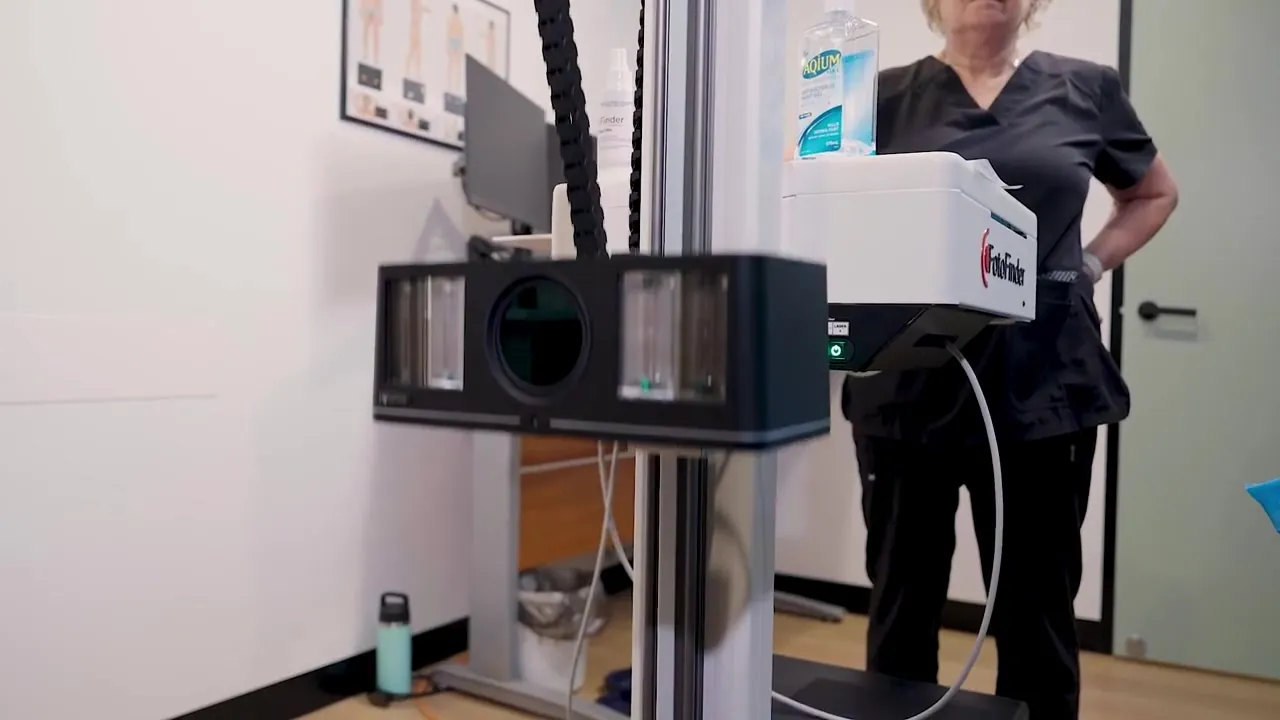
The FotoFinder ATBM master camera tower in the Sunstate imaging room
New spot detected
Flagged for your GP to review

A skin check that remembers every spot

A standard skin check relies on what your doctor can see on the day. AI-driven Total Body Mapping adds a precise, photographic memory of your skin, so the next check starts with a comparison rather than a guess.

At Sunstate Family Practice & Skin Cancer Clinic we use the FotoFinder ATBM master, an automated total body dermoscopy system. It photographs your skin in standardised positions, then lines up every new image against your baseline so even subtle changes stand out.

Bodyscan
Colour-coded rings mark spots that are new, changed or unchanged since your last visit.
Video dermoscopy
High-magnification images of individual moles, stored in date order.
AI pre-assessment
FotoFinder’s built-in AI scores individual lesions to help your GP prioritise.

Skin check or Total Body Mapping?

Both appointments are doctor-led. The difference is how much of your skin’s history we capture and keep for next time.

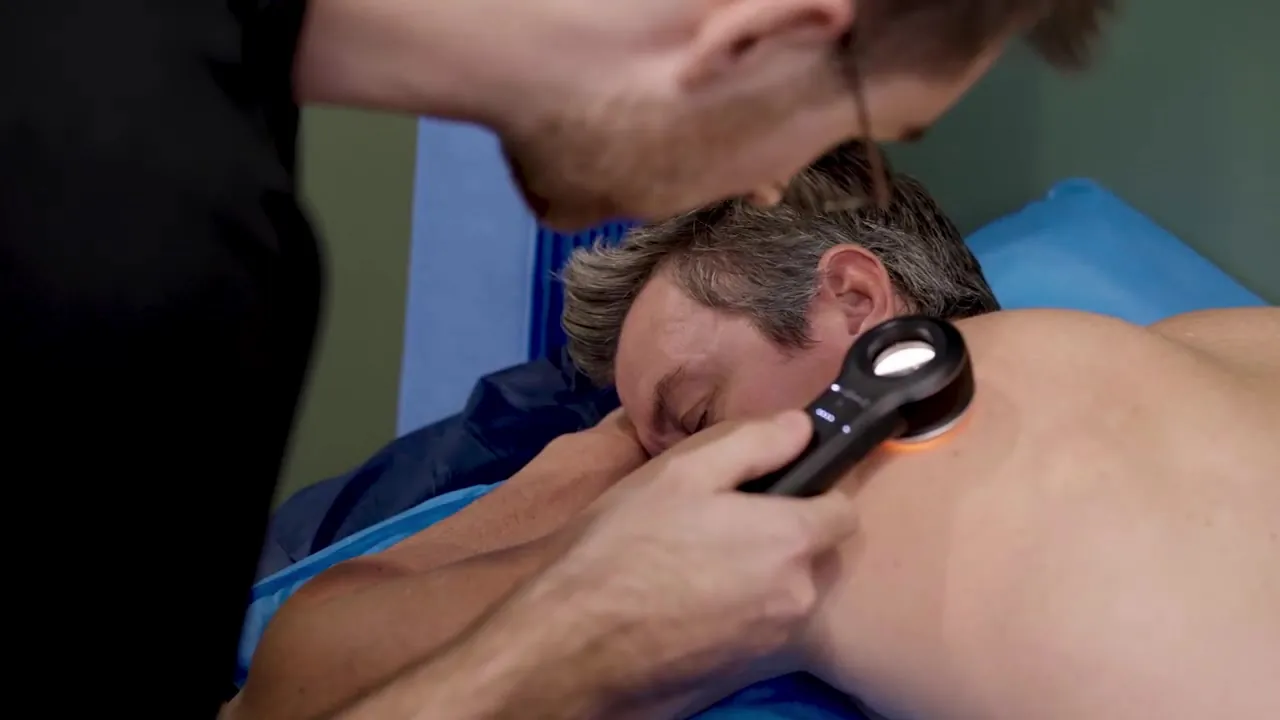
Your GP examines your skin with a dermatoscope, a magnifying light that reveals structures invisible to the naked eye, and decides which spots are reassuring and which need a closer look.

  • Suitable for most adults as part of regular monitoring
  • Recommended if you have noticed a new, changing or unusual spot
  • Focused on spots that may need monitoring, biopsy or removal
  • Often done yearly, depending on your risk factors
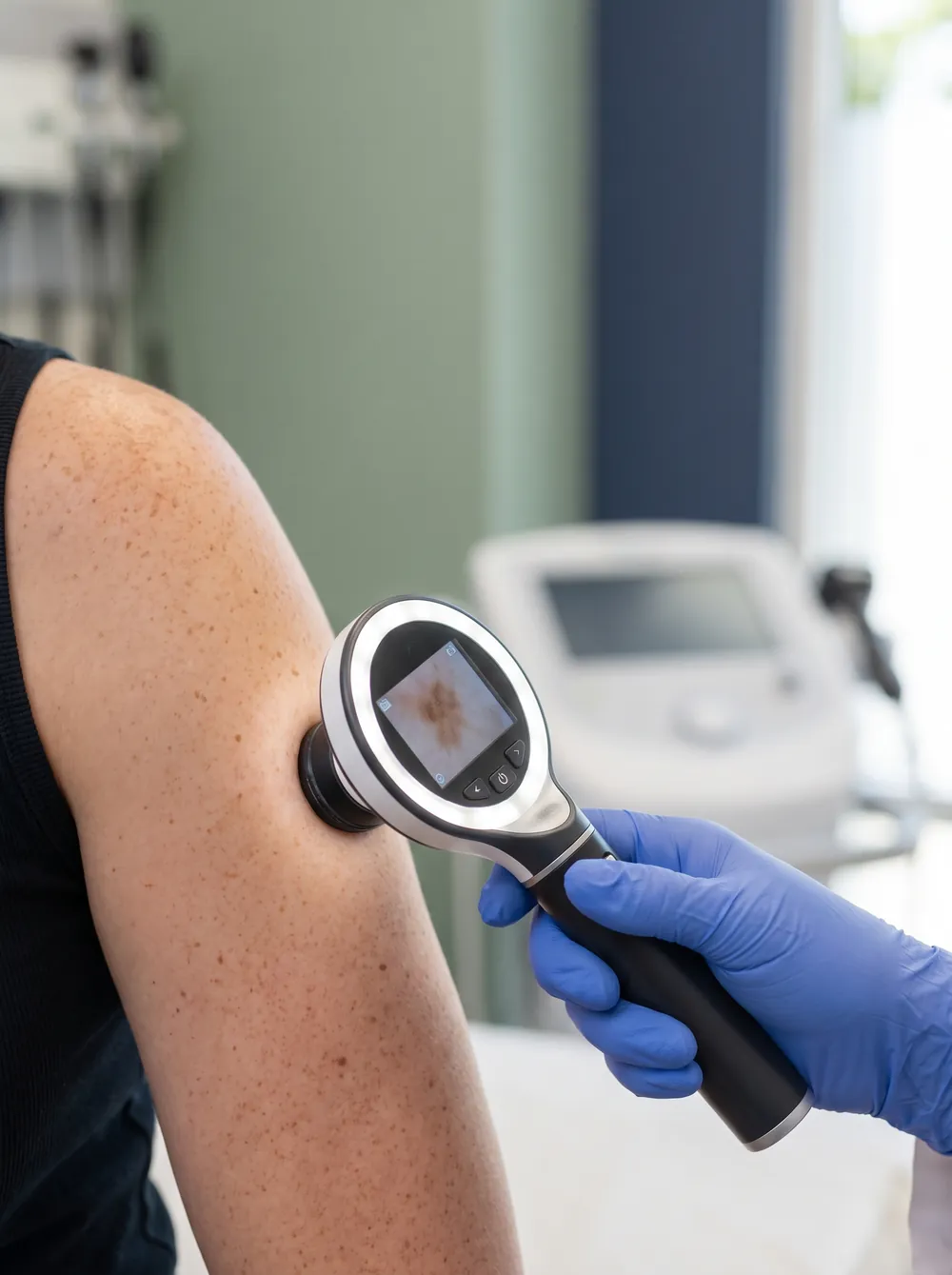
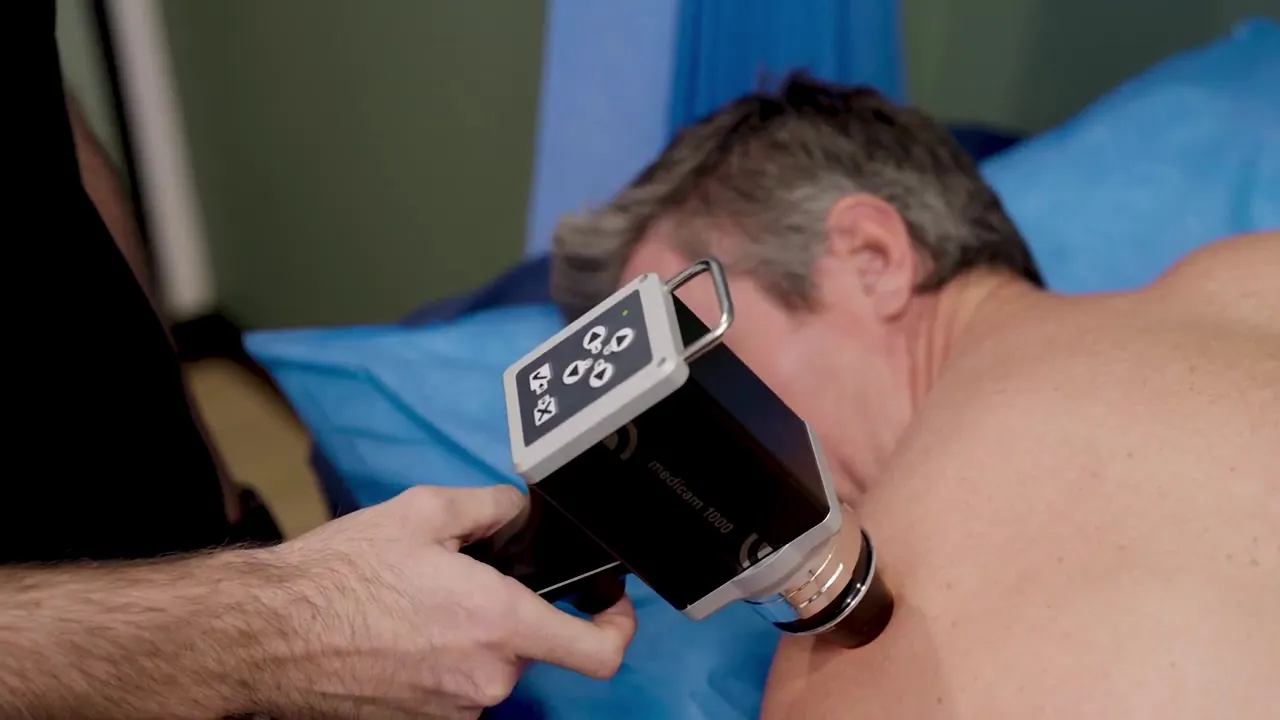
A Sunstate GP examining a patient’s shoulder with a dermatoscope

Not sure which to choose? Book a skin check and your GP will tell you whether mapping suits your situation.

Book online

See what changes in a year

This is how Bodyscan compares two visits. Switch between them to watch the system sort every mole into unchanged, changed or new.

  • 15 mapped at baseline
  • 0 changed
  • 0 new

Illustration only. Real results are reviewed by your GP, who decides whether a spot needs monitoring, a closer dermoscopic look or removal.

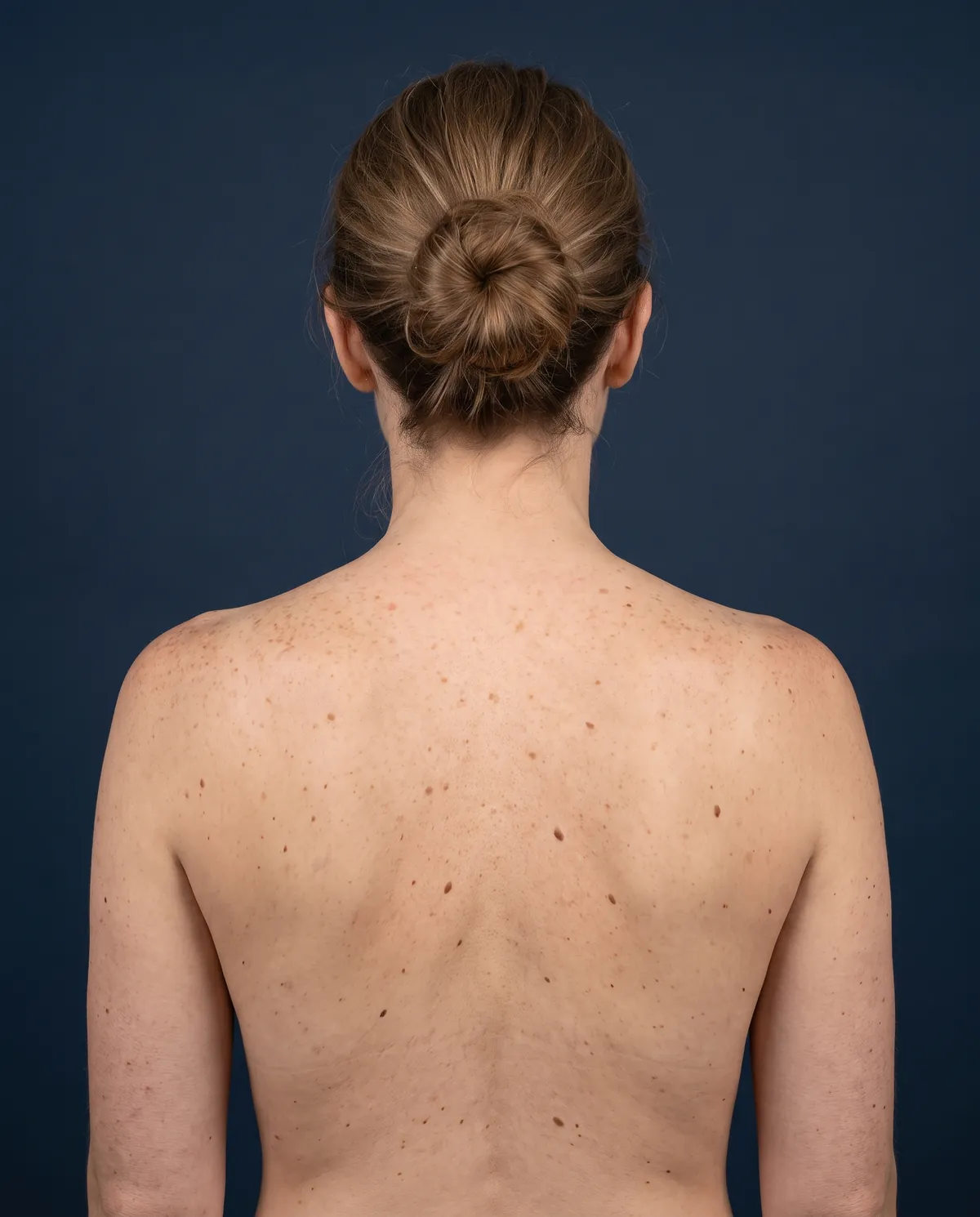
Illustrative total body image of a woman’s back with mapped moles
Changed lesion, sent to your GP for dermoscopy

Your mapping appointment, step by step

Imaging, examination and advice in a single visit. You stay in plain underwear, with gowns and a chaperone available whenever you would like them.

Book Total Body Mapping
  1. 1

    Total body photographs

    A trained team member guides you through a series of standard poses in front of the ATBM master. The automated camera captures your whole body in minutes, with consistent angles, distance and lighting every time.

    A patient posing for total body photographs in front of the ATBM master
  2. 2

    Mosaic view and Bodyscan

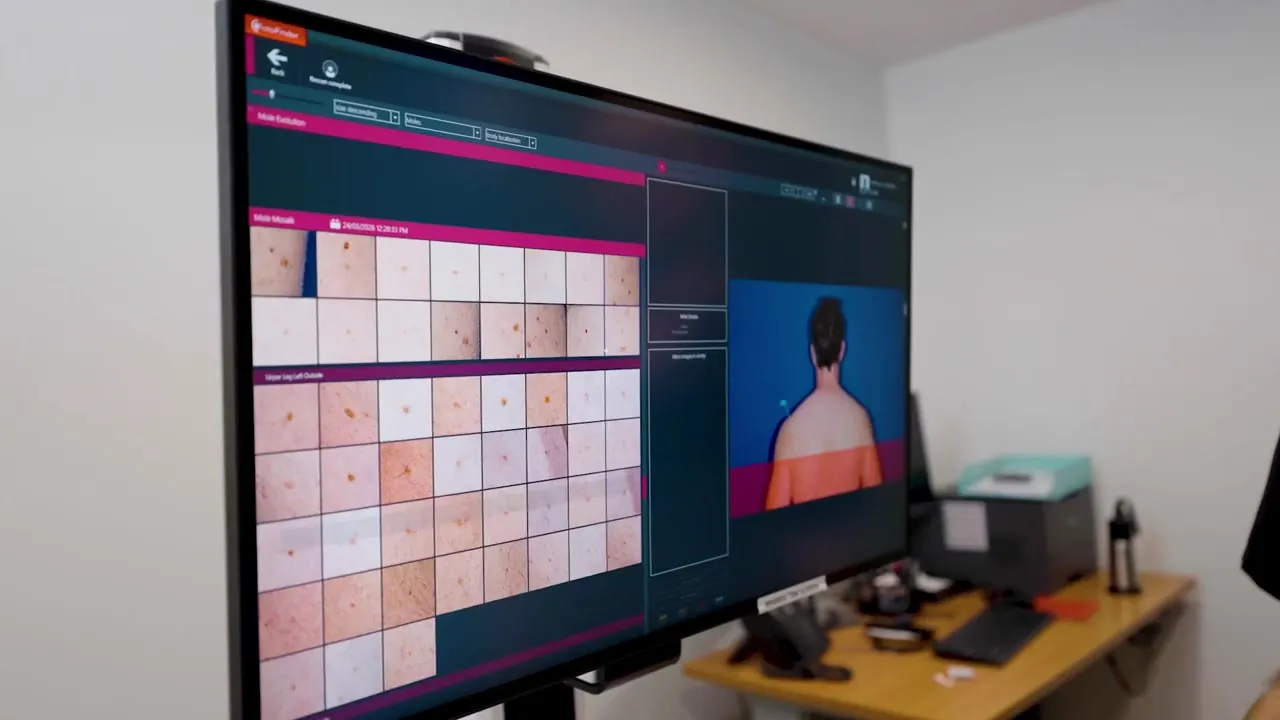
    Every mole from the scan is laid out on one screen. At follow-up visits, Bodyscan compares the new images with your baseline and marks spots that are new or have changed.

    The mosaic view listing every lesion from a scan
  3. 3

    Close-up video dermoscopy

    Your GP examines your skin and takes magnified dermoscopic images of selected spots, so their fine structure can be compared over time in your personal mole gallery.

    A GP using the FotoFinder video dermatoscope on a patient’s shoulder
  4. 4

    AI-assisted pre-assessment

    FotoFinder’s built-in AI gives individual lesions a pre-assessment score, adding a second, consistent set of eyes. It supports your doctor’s judgement and never replaces it.

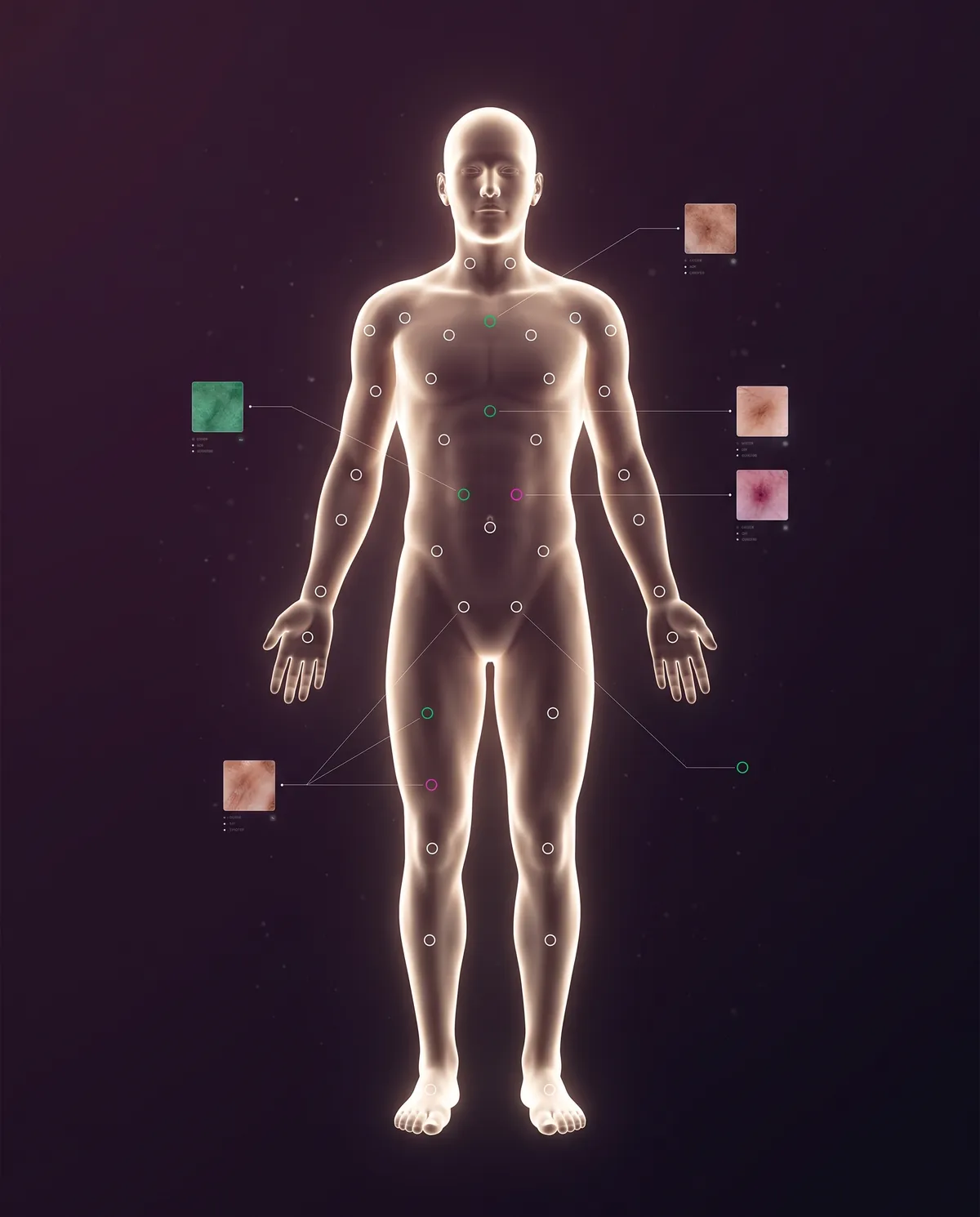
    A visualisation of a body map with marked lesions and dermoscopy thumbnails
  5. 5

    Your plan, explained

    Your GP talks you through the findings: what to watch, when to come back and what would prompt an earlier review. If a spot needs a biopsy or removal, many can be treated here at the practice.

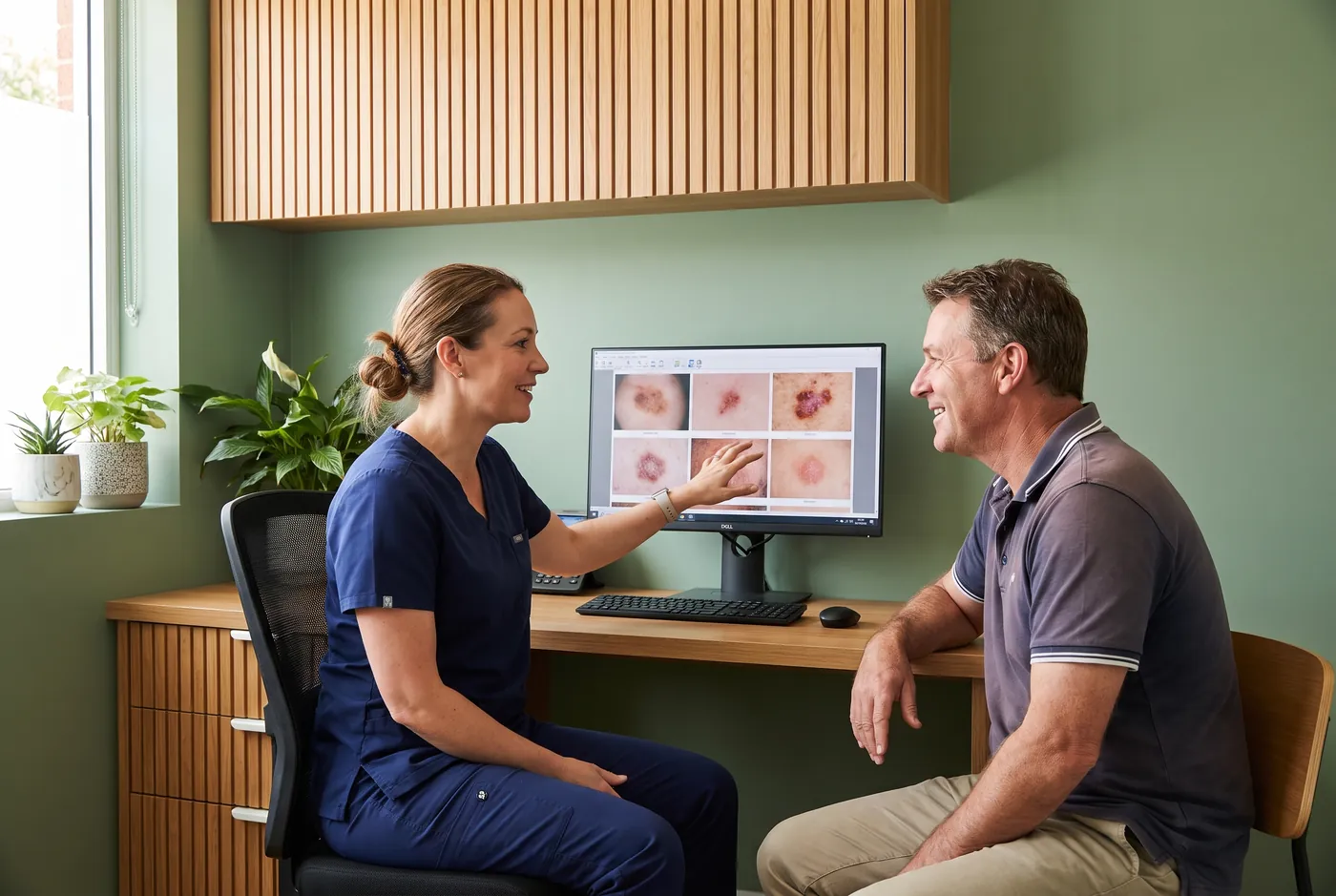
    A GP explaining skin images on screen to a patient

Why your phone camera can’t track a mole

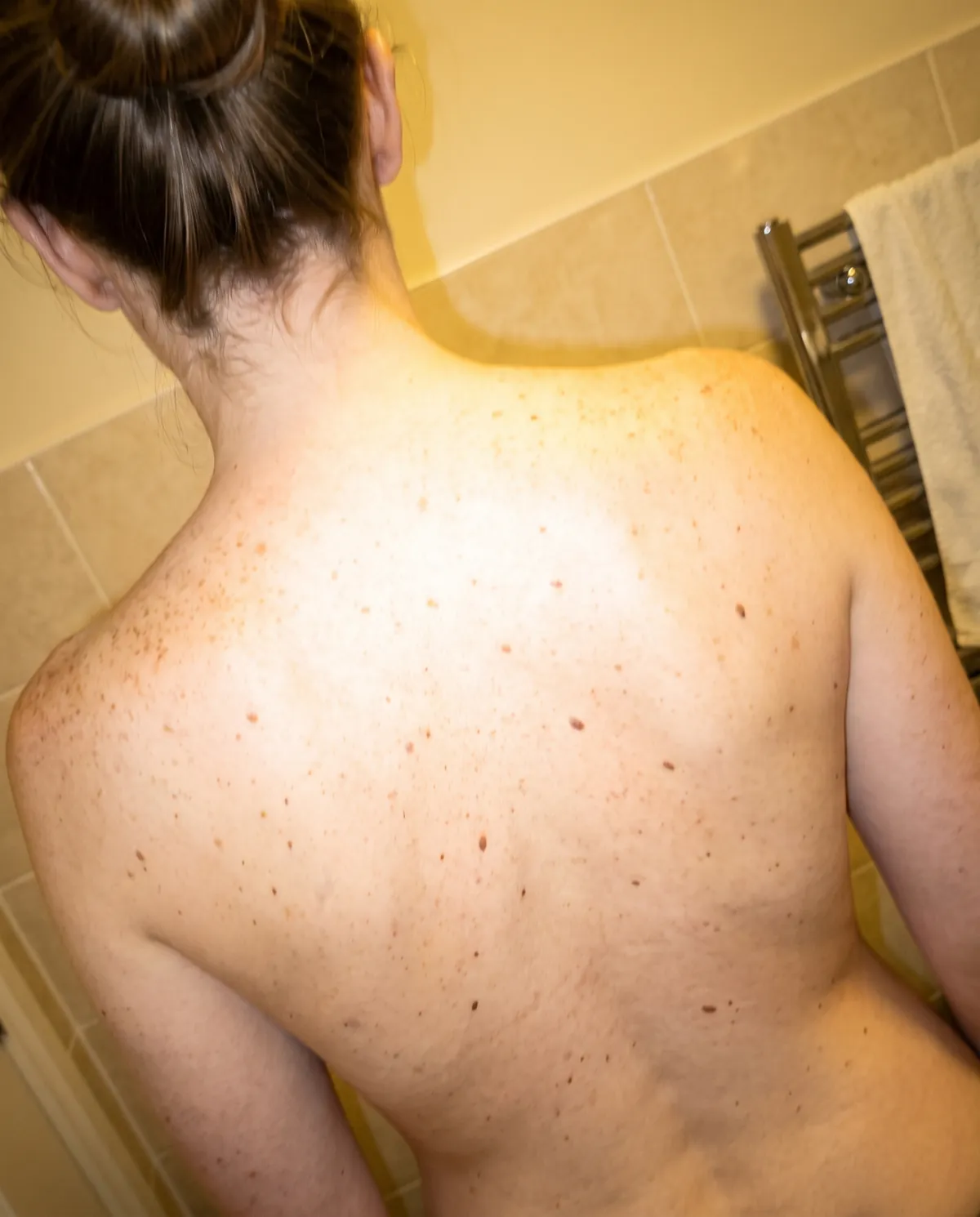
Phone photos

  • Bathroom light, sunlight or flash
  • Different angles and zoom levels
  • Spots look larger, smaller, darker or lighter
  • Lost somewhere in your camera roll
The same back photographed under standardised clinical lighting
A back photographed at home on a phone, with uneven light and flash glare
Phone ATBM master

Total Body Mapping

  • Same angles, distance and framing every time
  • Consistent lighting and a neutral background
  • Differences come from your skin, not the camera
  • Date-stamped and stored with your medical record

Bayside living means a lifetime of sun

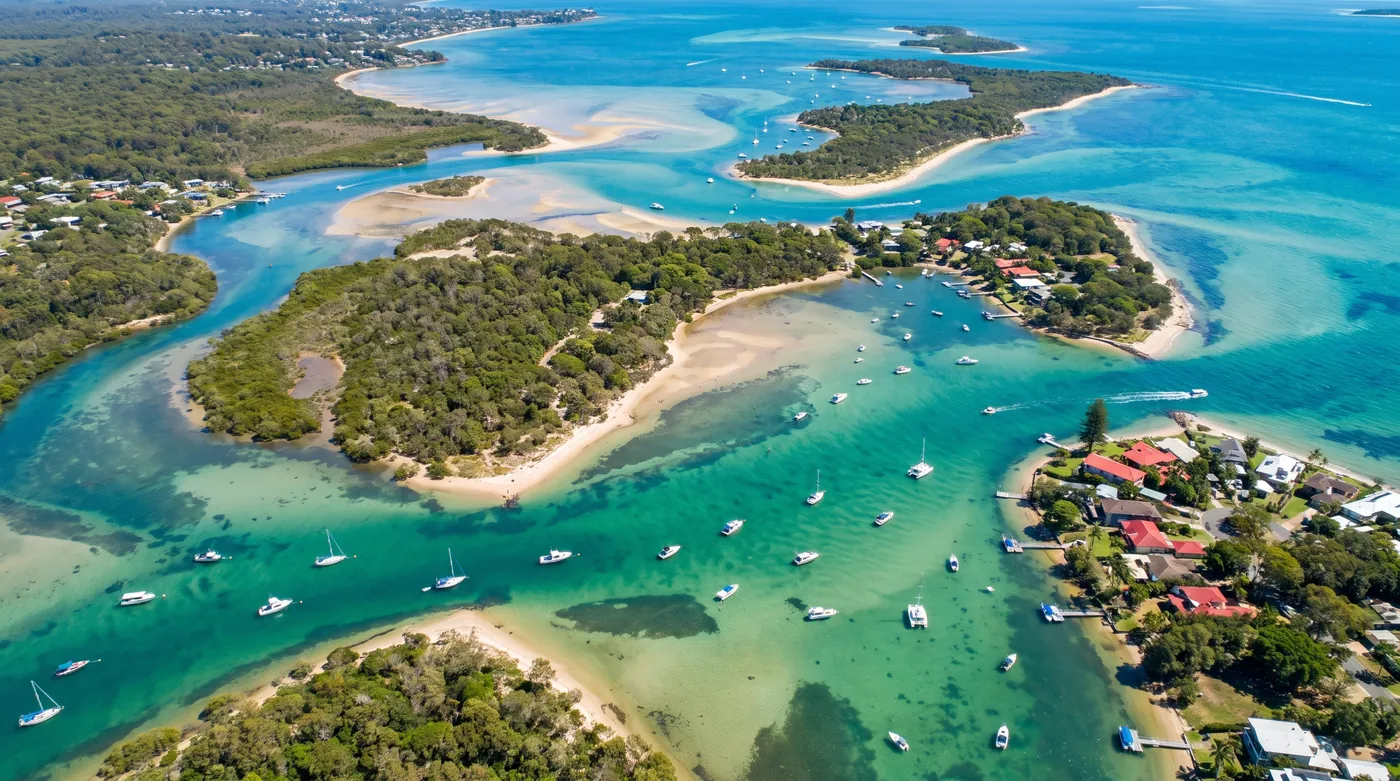
Queensland has some of the highest rates of skin cancer in the world. Even if you are careful now, your skin may carry damage from years of boating, gardening, sport and school holidays at the beach. Finding a change early means treatment is more likely to be effective.

Aerial view of Coochiemudlo Island and the Southern Moreton Bay Islands
Patients come to us from across the Redlands and the bay islands Victoria Point, Thornlands, Redland Bay, Mount Cotton, Cleveland, Alexandra Hills, Sheldon, Ormiston, Wellington Point, Capalaba, Birkdale, Coochiemudlo, Macleay, Karragarra, Lamb and Russell Islands

Skin checks by GPs who know your whole health story

Because we are a family practice, your doctor can link what they see on your skin with your medications, immune health and history. If you need a dermatologist or skin cancer surgeon, they will arrange a referral.

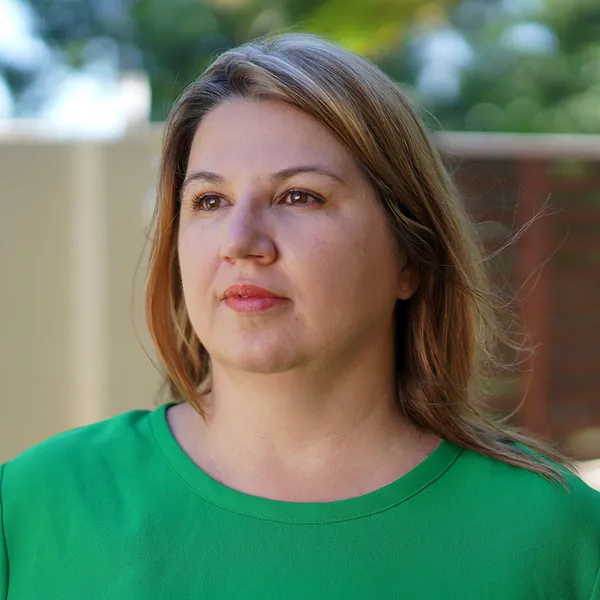
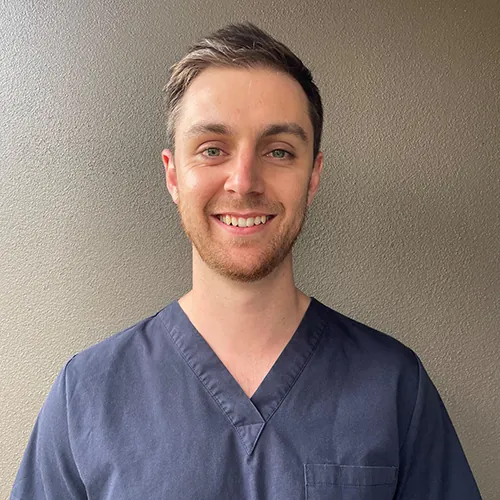
Dr Randal Johnson

Dr Randal Johnson

BSc, MD, SCHP, FRACGP

A specialist GP who has focused his career on skin cancer detection and management. He is completing a Master of Skin Cancer Medicine at the University of Queensland, and his hospital training included rotations in dermatology and surgical specialties.

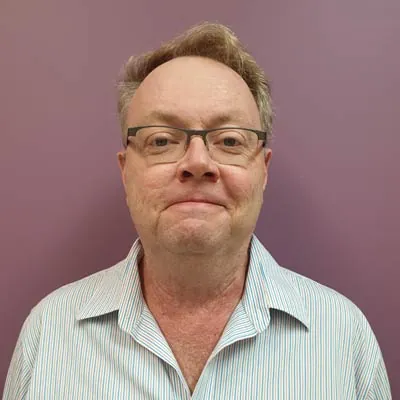
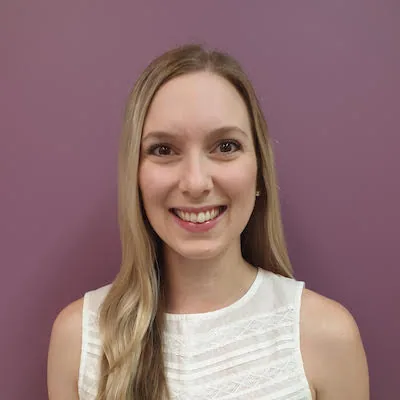
Dr Lisa Scupham

Dr Lisa Scupham

BPharm, MBBS (Hons), GradDipSurgAnat, MS, FRACGP

A dedicated interest in skin cancer screening and management, built on years of surgical training including general and plastic surgery. Watch Dr Scupham explain Total Body Mapping in our video library.

Also seeing patients for skin checks

Dr Andrew Ganter

Dr Andrew Ganter

MBBS, FRACGP. Principal GP

Founded Sunstate in 2009, with a special interest in the detection and management of skin cancers.

Dr Eugenia Haller

Dr Eugenia Haller

MD, FRACGP

Further training in skin cancer medicine and a special interest in the excision of skin lesions.

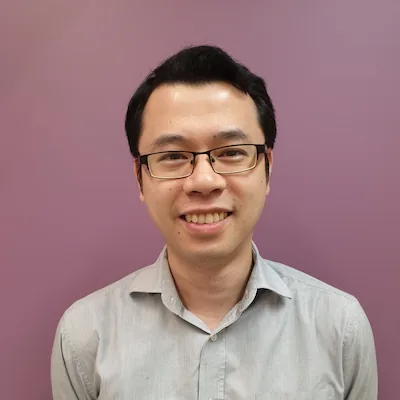
Dr Chau Vu

Dr Chau Vu

BSc, MBBS, FRACGP

A special interest in skin cancer checks, and performs excisions of suspected or confirmed skin cancers.

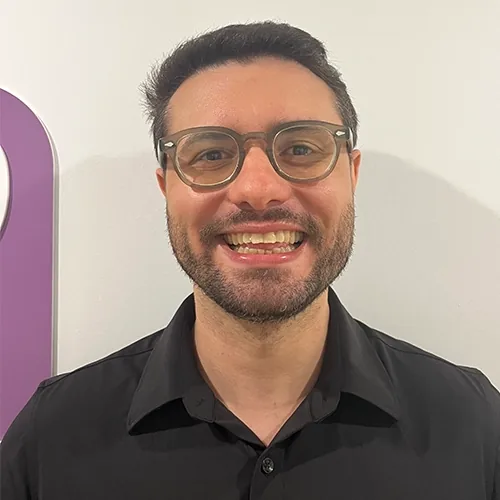
Dr Ben Ierna

Dr Ben Ierna

BAppSc, MBBS, FRACGP

A growing interest in skin health, particularly skin checks and minor procedures.

Dr Tegan Stein

Dr Tegan Stein

BSc, MBBS, FRACGP

Interests in paediatrics, adolescent health and antenatal care, and enjoys all aspects of family medicine.

Questions answered on camera

Short videos from our team, filmed at the practice.

More on our YouTube channel

What is Total Body Mapping?

Before you come in

A few simple steps help the camera see your skin clearly.

A sun hat, sunglasses, sunscreen and a notebook laid out on linen
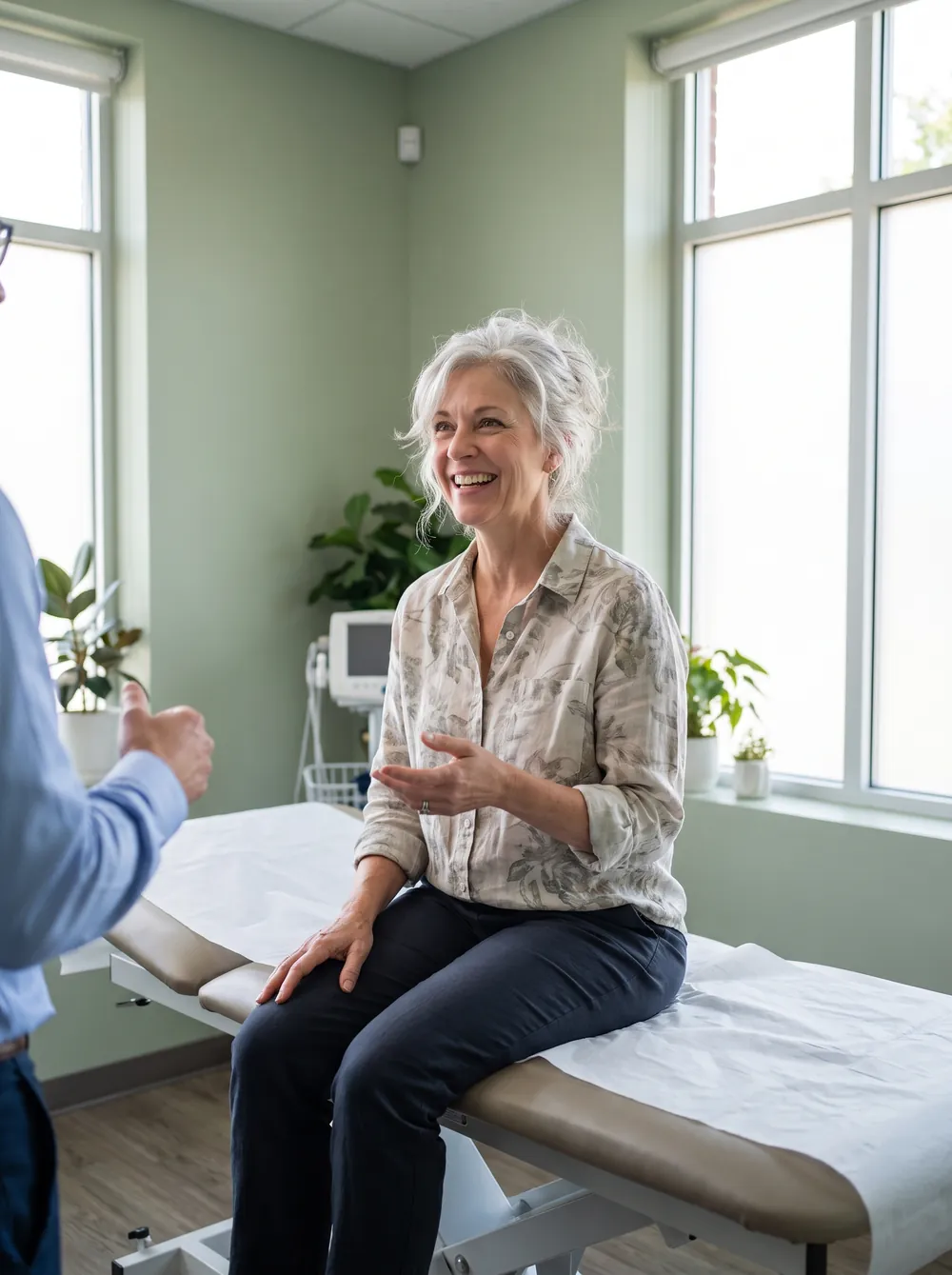
A relaxed patient chatting with her doctor on an examination couch
  • Bare skin. No makeup, sunscreen, moisturiser or fake tan on the day.
  • Plain underwear. Plain coloured, and briefs rather than trunks for men. Women may remove their bra if comfortable.
  • No nail polish or jewellery. Especially if a spot on a finger or toe worries you.
  • Your notes. Bring details of previous skin cancers, biopsies or spots that concern you.
  • Your preferences. Tell us about any comfort or modesty needs. Gowns and chaperones are always available.
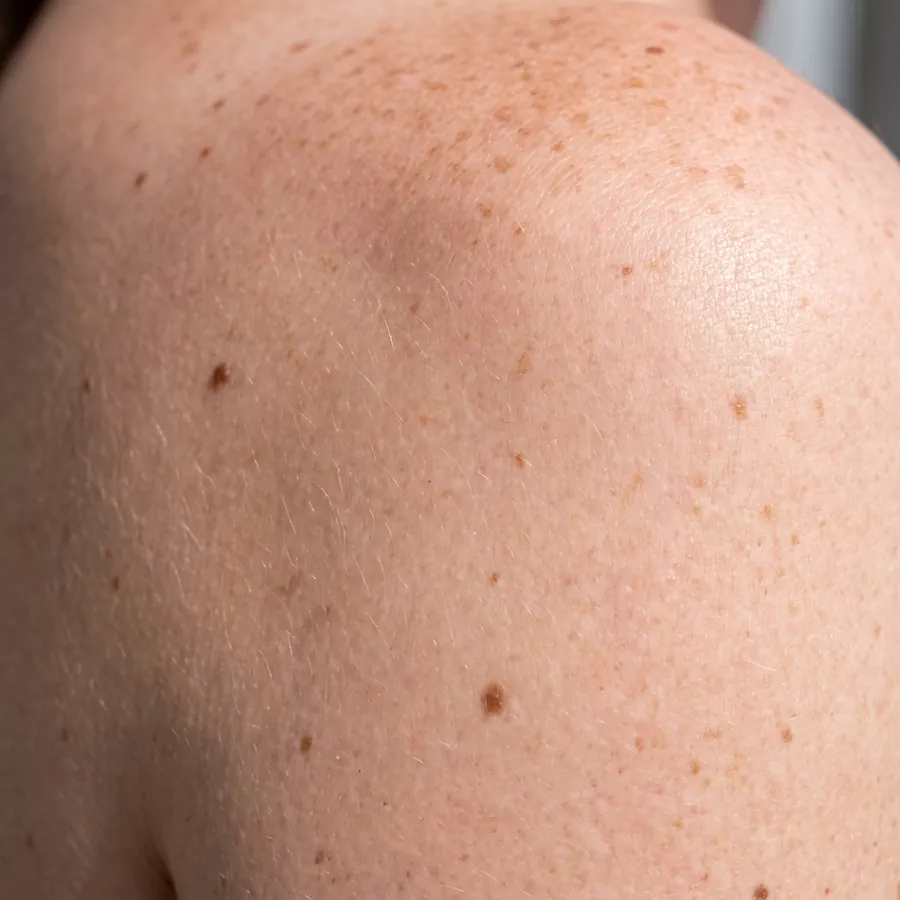
Close-up of freckled, sun-exposed shoulder skin

Fees, explained before you book

ServiceFeeMedicare rebateOut of pocket
Skin spot check (1 or 2 lesions)$80–$109$20.55–$45.05$59.45–$63.95
Full skin check$109–$170$45.05–$87.10$63.95–$82.90
Full skin check + Total Body Mapping (TBM)$219–$280$45.05–$87.10$173.95–$192.90

Fees effective 15 October 2026.

Private health fund rebates may apply for Total Body Mapping, depending on your level of cover and health fund.

  • Fees are a guide only. The final fee may vary with the length, complexity and services required. The doctor determines the appropriate fee.
  • A $20 surcharge applies before 8am and after 5pm Monday to Friday, and to all Saturday appointments.
  • Children 12 years and under are bulk billed for standard GP consultations between 8am and 5pm Monday to Friday. Private fees apply outside these times; procedures, treatments and other services may attract a private fee.
  • Medicare rebates shown are indicative and depend on eligibility and the service provided.

Please ask reception about the expected cost of an appointment or service before proceeding: (07) 3207 7744.

Questions patients ask us

What is AI-driven Total Body Mapping?

Total Body Mapping, also called mole mapping or total body photography, uses the FotoFinder ATBM master to take standardised photographs of your whole body. Built-in AI helps flag new and changed spots and gives individual lesions a pre-assessment score. Your GP reviews every result and makes the clinical decisions.

Does the AI diagnose skin cancer?

No. The AI is a decision support tool. It highlights spots for attention and compares images over time. Diagnosis and treatment decisions are always made by your doctor.

Do I need a referral?

No. You do not need a referral to see a GP for a skin check. Book online with HotDoc and choose the TBM (Total Body Mapping) + Skin Check appointment type, or call us on (07) 3207 7744.

Who should consider Total Body Mapping?

It is often recommended if you have lots of moles or freckles, fair skin or a history of sunburn, a personal or family history of melanoma, or if your doctor has suggested closer monitoring.

How often should I come back?

Your GP will recommend an interval based on your personal risk. Many people return every 6 to 12 months so new images can be compared with their baseline.

What happens if a spot looks suspicious?

Your GP will discuss your options, which may include monitoring, a biopsy or removal of the lesion. Many procedures can be done at the practice. If you need specialist care, your GP will arrange a referral.

Where are my images stored?

Images are date-stamped and stored securely with your medical record at the practice, not on personal devices.

Start your skin’s baseline this year

Book a skin check or Total Body Mapping online, or call our friendly reception team.

Consulting hours

Monday to Thursday7.30am to 6.30pm
Friday7.30am to 5pm
Saturday8am to 1pm

All by appointment.

Find us

127 Link Road
Victoria Point QLD 4165

Get directions

Have a question? Send us a message

Not ready to book, or just want to ask something first? Our reception team will get back to you during opening hours.

This form is for general enquiries only. Please don’t include detailed medical information. For medical advice, book an appointment. In an emergency, call 000.